As Syria's textile industry continues its path towards recovery, strengthening Technical and Vocational Education and Training (TVET) has become a strategic priority for rebuilding a skilled workforce and fostering sustainable economic growth. Against this backdrop, NAS TEX 2026, Syria's leading exhibition for textiles, garments, machinery, and related industries, brought together manufacturers, suppliers, investors, government institutions, development partners, vocational training providers, and industry leaders. The exhibition served as a national platform for showcasing innovation, strengthening industrial partnerships, promoting investment, and advancing workforce development to support the revival and competitiveness of Syria's textile sector.
Through its participation in the exhibition, Human Aid and Development (HAND) reaffirmed its commitment to bridging the gap between vocational training and employment by equipping Syrian youth and women with market-relevant skills. Visitors to HAND's pavilion explored the organisation's programmes in garment manufacturing, fashion design, and textile production, while learning about its competency-based training approach, work-based learning opportunities, career guidance services, and partnerships with private-sector employers. The exhibition also provided a valuable platform for engaging with manufacturers, industry representatives, development partners, and prospective trainees to identify opportunities for collaboration and strengthen links between skills development and industry demand.
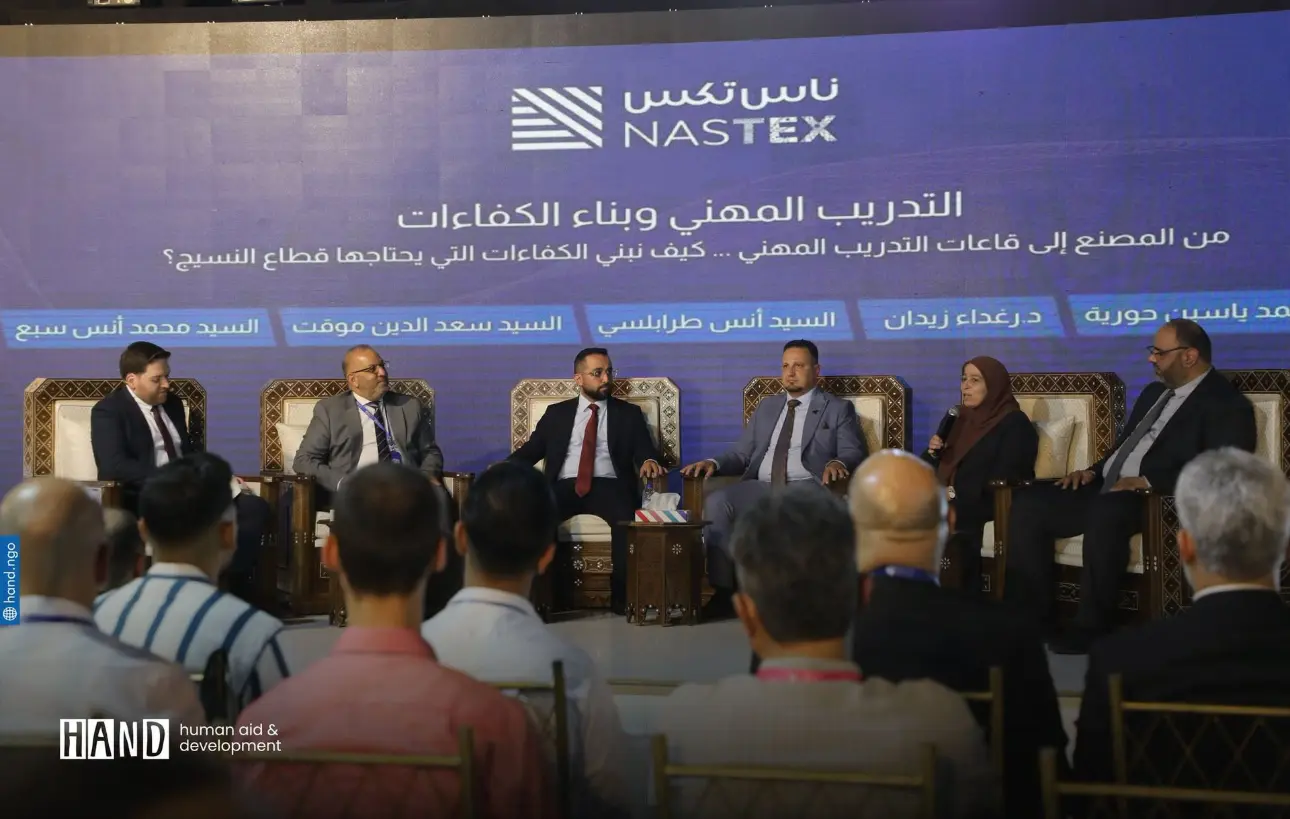
As part of the exhibition programme, HAND hosted a high-level panel discussion entitled "Vocational Training and Skills Development: From Factory Floors to Training Centres – How Can We Build the Skills Needed for the Textile Sector?" The session convened representatives from government institutions, the private sector, industry associations, and international organisations to discuss practical solutions for addressing skills gaps, strengthening collaboration between training providers and employers, and creating effective pathways from vocational education to decent employment.
During the discussion, Saadettin Muvakit, Executive Director of HAND, underscored the importance of designing vocational training programmes that respond directly to industry needs and prepare young people and women with practical, job-ready skills.
«"Vocational training delivers its greatest impact when it responds to the real needs of the labour market. By investing in the skills of Syrian youth and women, we are not only expanding access to decent employment opportunities, but also strengthening the competitiveness of local industries by providing businesses with the qualified workforce they need to grow, innovate, and thrive," said Saadettin Muvakit, Executive Director of HAND.»
He added: «"At HAND, we are committed to empowering young people through quality vocational training and building strong partnerships with the private sector so that training centres become a direct pathway to productive employment and sustainable economic recovery."»
The panel featured Eng. Mohammad Yassin Huria, Deputy Minister of Economy and Industry; Dr. Wafaa Zaidan, Deputy Minister of Social Affairs and Labour; Anas Trabulsi, Member of the Board of Directors of the Damascus and Rural Damascus Chamber of Industry and Chair of the Exhibitions Committee; and Mohammad Anas Saba, Country Coordinator of the International Labour Organization (ILO) Office in Syria. Moderated by Eng. Nour Mahrousa, the discussion highlighted the importance of coordinated action between government institutions, industry, and development partners to ensure vocational education remains aligned with workforce needs and contributes to a competitive and resilient textile sector.
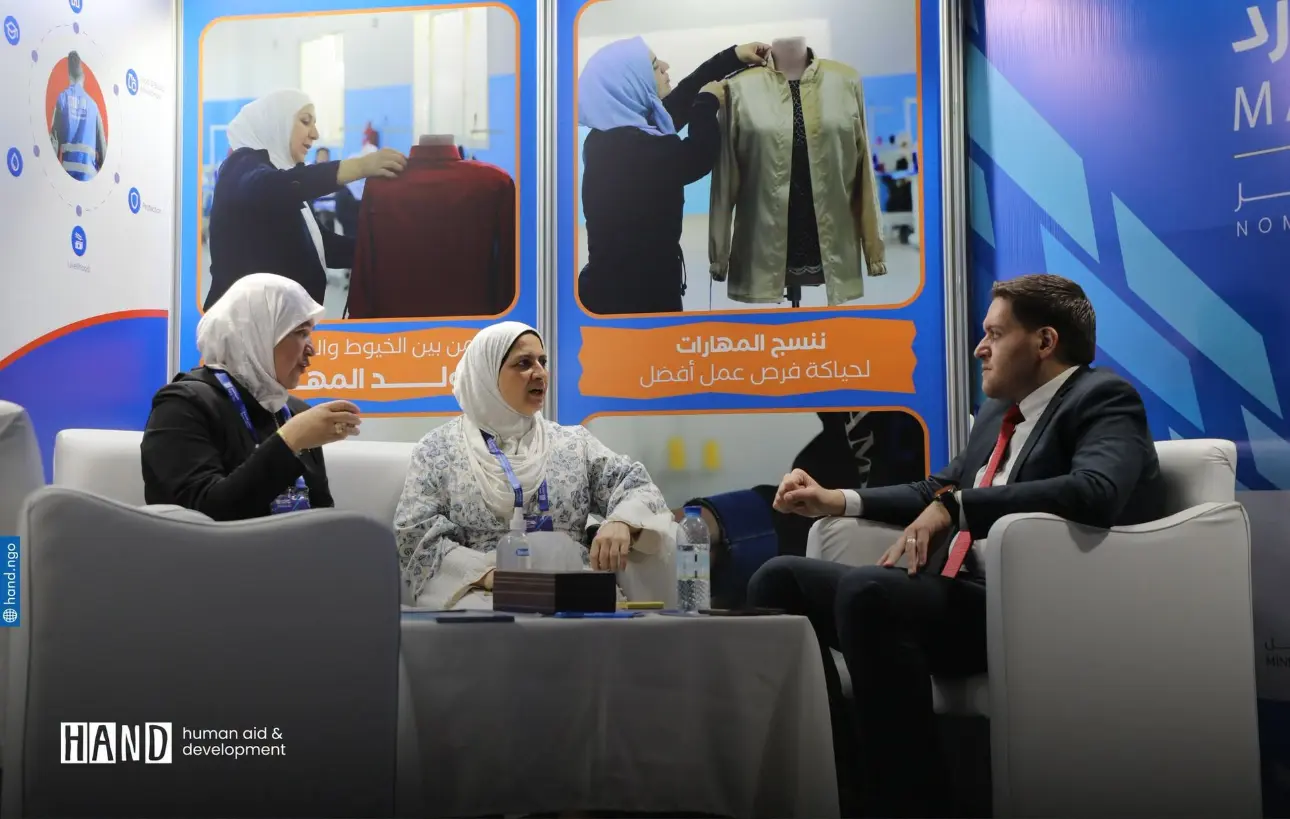
HAND's participation in NAS TEX 2026 also marked an important milestone in expanding collaboration with the private sector. During the exhibition, the organisation signed strategic cooperation agreements with leading industrial partners to strengthen specialised vocational training in the textile sector. These partnerships will facilitate the transfer of Turkish and international expertise, enhance competency-based training curricula, expand work-based learning opportunities, and strengthen cooperation between training centres and manufacturers, creating clearer pathways from skills development to employment.
Through sustained investment in market-driven skills development and cross-sector partnerships, HAND continues to empower Syrian youth and women with the technical competencies and opportunities needed to secure sustainable livelihoods. By aligning vocational training with industry demand, the organisation is contributing to a more competitive textile sector, supporting inclusive economic recovery, and laying the foundations for long-term resilience in Syria.